Why Are You Still Ignoring Your Family’s Eye Health When Help Is Right on Your Phone?
We’ve all been there—watching our kids scroll through tablets before bed, seeing our parents squint at tiny text, or catching ourselves with dry, tired eyes after hours in front of screens. It’s not just uncomfortable; it’s a growing concern for every family. But what if the solution wasn’t another doctor’s visit or expensive gadget? What if it’s already in your pocket? Eye protection apps are quietly transforming how families care for their vision, blending seamlessly into daily life. These small tools don’t promise miracles, but they do something powerful: they help us pause, protect, and care—without turning our routines upside down. And isn’t that exactly what we need?
The Hidden Strain in Every Home
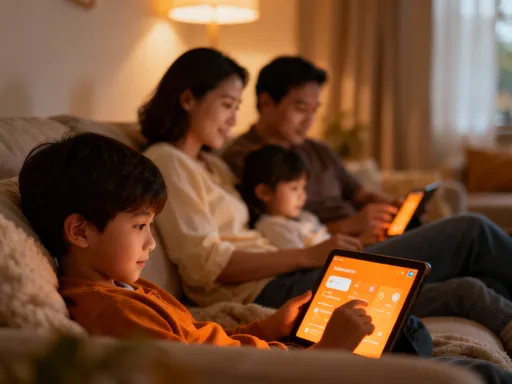
You know that moment when your daughter rubs her eyes after an hour of online homework, or your husband reaches for the painkillers after a long day of video meetings? We’ve all seen it—those quiet signs that something’s off, but we brush them aside. It’s just stress, we tell ourselves. Or maybe it’s allergies. But what if it’s something simpler, something we’re all guilty of overlooking? Digital eye strain is no longer a problem for office workers alone—it’s in our living rooms, our kitchens, and our children’s bedrooms. And it’s affecting how we feel, how we sleep, and even how we connect as a family.
Think about your morning routine. You wake up, reach for your phone before your feet even hit the floor. By the time breakfast is over, you’ve checked messages, scrolled through news, maybe watched a quick video—all before 8 a.m. Your teenager is doing the same, only with school emails and social media. And later, your parents might spend an hour catching up with cousins through a video call, leaning in close to see the faces on their tablet. It’s all so normal now that we don’t even question it. But our eyes weren’t built for this. They weren’t designed to stare at glowing rectangles for hours on end, under artificial light, with barely a blink in between.
The symptoms sneak up on us. A dull headache behind the eyes. A dry, gritty feeling, like sand has gotten in. Trouble focusing after screen time. Even trouble falling asleep, even when we’re exhausted. These aren’t just little inconveniences—they’re signals. Our bodies are telling us that something needs to change. And when one person in the house is uncomfortable, it affects everyone. A child who’s tired and irritable after too much screen time isn’t just struggling—they’re more likely to snap at a sibling or resist bedtime. A parent with eye fatigue might be too drained to engage in a real conversation after dinner. What starts as a physical issue becomes emotional. It becomes family strain.
But here’s the good news: we don’t have to choose between staying connected and protecting our eyes. We don’t have to ban screens or feel guilty every time someone picks up a device. There’s a gentler way—one that fits into the life we already live.
How Screens Quietly Affect Family Life
Screens aren’t the enemy. They’re how we work, learn, and stay close to loved ones. We use them to video call Grandma across the country, to help our kids with science projects, to unwind with a show after a long day. But just because they’re essential doesn’t mean they’re harmless. Think of your eyes like muscles. If you lifted weights all day without rest, your arms would ache. Your eyes work the same way. When they’re focused on a screen—especially one that’s bright, flickering, or held too close—they’re working hard, nonstop. And over time, that effort adds up.
One of the biggest culprits? Blue light. It’s not a scary chemical or a harmful radiation—it’s just part of the light spectrum that screens emit a lot of, especially during evening hours. During the day, blue light can help keep us alert and focused. But at night, it sends a confusing message to our brains: it’s still daytime. That can delay the release of melatonin, the hormone that helps us fall asleep. So even if your daughter turns off her tablet at 9 p.m., her brain might still be wide awake at 9:30. And when sleep suffers, everything else does too—mood, concentration, even appetite.
Then there’s glare. Have you ever tried reading your phone in the sun or under a bright kitchen light? The screen fights back with reflections, forcing your eyes to strain just to make out the words. And don’t forget about blink rate. Most of us blink about 15 times a minute normally. But when we’re focused on a screen? That drops to 5 or even 3. Less blinking means less moisture, which means dry, tired eyes. It’s no wonder so many of us reach for eye drops by the end of the day.
The truth is, these small stresses don’t just disappear. They linger. They make us feel a little off, a little on edge. And over time, they wear down our patience, our energy, and our ability to be present with the people we love. But again, the answer isn’t to throw our devices away. The answer is to use them more wisely—just like we’ve learned to eat better, move more, and manage stress. Eye health is part of that. And the tools to support it? They’re already in our hands.
Meet the Tiny Guardian on Your Phone
Imagine if your phone could look out for your eyes the way you look out for your family. That’s exactly what eye protection apps do. They’re not flashy or complicated. You won’t need to read a manual or spend hours setting them up. In fact, most of them start working the moment you turn them on. These apps live quietly in the background, adjusting your screen to match the time of day, the lighting in the room, and even your habits. They’re like a gentle reminder from a thoughtful friend—only this friend never gets tired of looking out for you.
One of their simplest, most powerful features is blue light filtering. As the sun goes down, the app gradually warms the tone of your screen, shifting it from cool blue to a softer amber or red. It’s not about making the screen harder to see—it’s about making it easier on your eyes and your brain. That warm glow signals to your body that it’s time to wind down. You don’t have to remember to do it. The app does it for you, like an automatic dimmer switch for your digital life.
Another helpful feature? Break reminders. You know how you sometimes look up from your phone and realize an hour has passed? These apps can gently nudge you before that happens. A soft chime, a quiet pop-up—“Hey, it’s been 20 minutes. Maybe stretch your arms or look out the window?” It’s not nagging. It’s caring. And for families, that’s huge. You can set different reminders for different people—shorter breaks for younger kids, longer focus periods for teens studying, and gentle prompts for older adults who might forget to rest their eyes.
Some apps even track your usage and give you simple feedback. Not to shame you, but to help you understand your habits. Maybe you’ll notice that on days when you use the app, you sleep better. Or that your headaches are less frequent. That kind of awareness is powerful. It turns eye care from something abstract into something personal. And the best part? These apps don’t cost a fortune. Many are free or very low-cost. They don’t require extra devices or complicated setups. They just ask for a little space on your phone—and a willingness to care.
Making It Work for Everyone at Home
One of the biggest worries parents have is screen time for kids. Not just how much, but how it affects them. We want our children to learn, to connect, to enjoy their devices—but not at the cost of their health. The good news? Eye protection apps aren’t just for adults. They can be customized for every member of the family, in ways that feel natural and supportive.
For younger children, you can set up bedtime modes that automatically dim the screen an hour before sleep. You can even schedule it so the screen turns warm-colored at 7 p.m., no matter what app they’re using. When your 8-year-old asks, “Mom, why did the screen turn orange?” you can smile and say, “Because it’s time to start calming down, sweetie. Your eyes and brain need to get ready for bed.” It’s not a punishment. It’s care. And when kids understand that, they’re more likely to accept it.
Teens are another story. They’re often glued to their phones for school, social life, and entertainment. But that doesn’t mean they can’t benefit. Many eye protection apps include focus timers—like a digital version of the 20-20-20 rule. Every 20 minutes, the screen reminds them to look at something 20 feet away for 20 seconds. You might hear, “Ugh, not again,” but over time, it becomes a habit. And when they start sleeping better or feeling less eye strain, they’ll appreciate it—even if they don’t say so out loud.
For older adults, these apps can be a quiet game-changer. As we age, our eyes need more contrast, larger text, and less glare. Some apps allow you to adjust font size, increase brightness in low light, or reduce motion on the screen—making it easier to read recipes, emails, or video call with grandchildren. Imagine your mom being able to see the family photos clearly without squinting. That’s not just convenience. That’s connection.
The key is to set it up together. Don’t just turn it on for everyone—talk about it. Show your kids how it works. Let your partner try it. Make it a family habit, like brushing teeth or locking the doors at night. When technology serves the whole household with kindness and purpose, it stops being a distraction and starts being a support.
Small Changes, Big Family Wins
Change doesn’t have to be dramatic to be meaningful. Sometimes, the smallest shifts create the biggest ripples. When our family started using an eye protection app, I didn’t expect much. I thought, “Maybe it’ll help with my headaches. Maybe.” But what I didn’t expect was how it would change our evenings. No more groggy kids at bedtime. No more arguments about turning off devices. No more reaching for painkillers after a long screen day.
Instead, we started noticing things. My daughter began falling asleep faster. My husband said his eyes felt less dry in the mornings. Even our dog seemed calmer—okay, maybe that’s a stretch—but the mood in the house definitely shifted. There was less tension, less eye-rubbing, less “I’m so tired but I can’t sleep.” And that made space for more of what matters: quiet conversations, bedtime stories, real laughter.
That’s the thing about eye health—it’s not just about seeing clearly. It’s about feeling well enough to be present. When your body feels good, your mind relaxes. When your mind relaxes, you’re more patient, more open, more available to the people you love. Protecting your eyes isn’t selfish. It’s how you show up as a better parent, partner, and person.
And let’s be honest—guilt around screen time is real. We know our kids spend a lot of time on devices. We know we do too. But instead of fighting it or feeling bad, what if we just made it a little kinder? What if we used the same technology to protect us, not just distract us? That’s the shift. From guilt to grace. From stress to support. And when the whole family feels better, everyone wins.
Beyond the Screen: Building Healthier Habits Together
Apps are a great start, but they’re not the whole picture. Think of them as training wheels—there to help you build better habits until they become second nature. One of the simplest and most effective habits is the 20-20-20 rule: every 20 minutes, look at something 20 feet away for 20 seconds. It sounds almost too easy, but it works. It gives your eye muscles a break, reduces strain, and helps you reset your focus.
You can make it a family game. Set a timer, and when it goes off, everyone looks out the window or across the room. Turn it into a moment of connection: “What do you see? A bird? A cloud? The neighbor’s cat?” It’s not just good for your eyes—it’s a tiny pause in a busy day, a chance to breathe and reconnect.
Another powerful step? Creating screen-free zones. Maybe it’s the dinner table. Maybe it’s bedrooms after 8 p.m. These boundaries aren’t about control—they’re about care. They give your eyes a chance to rest and your family a chance to talk, laugh, and just be together. And when screens aren’t the center of attention, you might be surprised by how much you notice—the way your daughter smiles when she’s excited, the sound of your partner’s voice when they’re relaxed, the quiet comfort of just sitting together.
And don’t forget about natural light. Spending time outdoors, even for just 15 or 20 minutes, does wonders for your eyes and your mood. Sunlight helps regulate your body’s internal clock, which improves sleep and focus. So next time you’re tempted to scroll, try stepping outside instead. Take a walk, sit in the garden, or just stand on the porch and breathe. Your eyes—and your heart—will thank you.
A Softer Glow, A Stronger Connection
In a world that never stops buzzing, choosing to protect your family’s eye health is a quiet act of love. It’s not loud or dramatic. It doesn’t make headlines. But it matters. Because every time you adjust the screen to be gentler, every time you remind someone to take a break, every time you choose presence over distraction—you’re saying, “I see you. I care about how you feel. I want us to be well, together.”
Technology doesn’t have to pull us apart. Used with intention, it can bring us closer. Those little digital nudges—softer light, timely reminders, warmer tones—they’re not just protecting vision. They’re creating space for peace, for rest, for real connection. They’re helping us see our lives more clearly, not just with our eyes, but with our hearts.
So tonight, before you scroll one more time, take a breath. Look around. See the people you love, right there with you. Then, if you’d like, open your phone and download an eye protection app. Not because you have to, but because you care. Because your family deserves to feel good, to sleep well, and to be fully present with each other. And sometimes, the smallest change is the one that makes the biggest difference. Let that change start tonight.