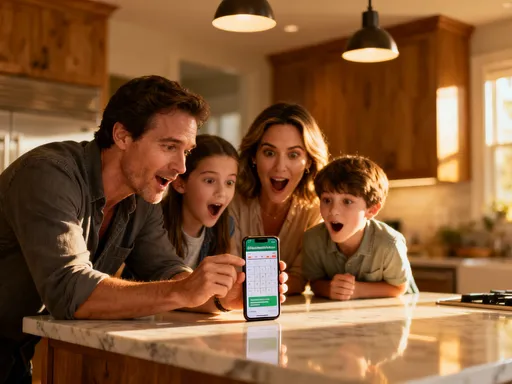
It’s Not Just About Trash: How Smart Bins Helped Me Reclaim My Time and Calm
You know that moment—standing by the overflowing kitchen bin, wondering when you last took it out? I used to dread it. Then I got a smart trash bin. It didn’t just handle odors or auto-seal; it quietly reshaped my routines. No more guessing when to empty, no more missed collection days. More than a gadget, it became a small but steady part of my household rhythm. And honestly? I gained more peace than I ever expected. It wasn’t just about keeping the kitchen clean—it was about reclaiming a little mental space, reducing daily friction, and finding calm in the most unexpected place: my trash can.
The Chaos Before: Living with Forgotten Trash and Daily Friction
Before I made the switch, my relationship with the trash can was… strained. It sat in the corner like a quiet but constant reminder of something I’d rather ignore. I’d toss things in without thinking, only to be greeted days later by a bulging bag, a faint sour smell, and the sinking realization that I’d missed my window to take it out. More than once, I ended up rushing to the curb in the rain, trash bag in one hand, umbrella slipping in the other, muttering to myself about how I used to be better at this.
It wasn’t just the mess or the smell—it was the mental load. Every day, there was a tiny decision: Is it full yet? Should I change it now or wait? Did the kids remember to close the lid? These weren’t big emergencies, but they piled up like invisible clutter in my mind. I started to notice how much energy I was spending on something so small. My kitchen, which should have been the warm heart of my home—the place where meals were made and laughter happened—felt more like a maintenance zone. I was managing systems instead of living in the space.
And then there were the missed collection days. My town has a strict schedule, and if you miss it, you’re stuck with an extra week of accumulating waste. I once forgot for two weeks in a row. Let’s just say the fruit flies had a field day. I remember standing there, wiping down counters for the third time that week, thinking: There has to be a better way. Is it really too much to ask for a trash can that helps instead of haunts me?
First Encounter: A Gadget That Actually Listened to My Life
I’ll admit it: I wasn’t looking to become a tech enthusiast. I didn’t want flashing lights or voice assistants telling me the weather when I just wanted to throw away a banana peel. What I wanted was relief. So when a friend mentioned she had a smart bin that sealed itself and sent a notification when it was full, I was skeptical. Another gadget to charge, update, and eventually ignore? No, thanks.
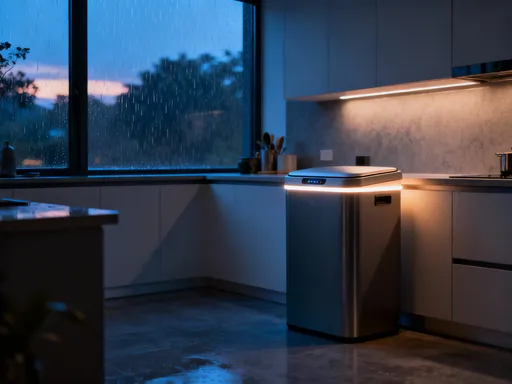
But her description stuck with me—especially the part about never having to guess when to take the trash out. I did some research and found a model that focused on simplicity: no complicated app, no voice control, just sensors that detected fullness and a motorized lid that closed and sealed the bag with the touch of a button—or even automatically, based on usage. The setup took less than ten minutes. I placed it in the same spot, plugged it in, and started using it like any other bin.
The first few days were… uneventful. And that was the point. Nothing broke. Nothing beeped randomly. But then, something shifted. I tossed in a coffee pod, stepped back, and watched the lid glide shut on its own. It wasn’t flashy, but it felt like a small act of kindness from my kitchen. I realized how much tension I’d carried around this one chore—how I’d braced myself every time I opened the lid, half-expecting a mess. Now, the bin was doing the work. It wasn’t asking for anything in return. It just worked—quietly, reliably, without drama. For the first time in years, my trash can wasn’t a source of stress. It was part of the solution.
The Ripple Effect: How One Device Streamlined My Whole Routine
Here’s what surprised me: the smart bin didn’t just change how I handled trash. It changed how I thought about chores. Because the bin stayed sealed and odor-free, I didn’t have to wipe it down every other day. No more sticky spots or mysterious drips. I stopped hovering around it, checking if it needed attention. That alone saved me minutes every week—minutes that added up to hours over time.
But more than the time, it was the mental space. I used to carry a running list in my head: take out trash, refill soap, check laundry, pack lunches. Now, one item was off the list. The bin told me when it was full. It sealed itself. It even reminded me when collection day was coming, thanks to a simple light indicator. I didn’t have to remember. I didn’t have to decide. It was done.
That freedom sparked something in me. If this small change could make such a difference, what else could I simplify? I started looking at other parts of my routine with fresh eyes. I set up automatic grocery deliveries for staples. I used a smart plug to turn on the coffee maker in the morning. I created recurring calendar reminders for things like changing air filters or checking smoke detector batteries. None of these were revolutionary on their own, but together, they created a rhythm—a sense that my home was working with me, not against me.
The smart bin became the starting point for what I now call my “effortless home” mindset. It taught me that small, thoughtful upgrades can have outsized effects. You don’t need to overhaul everything at once. You just need one win—one thing that makes life a little smoother. Then, you build from there.
Family Harmony: When Everyone Stops Avoiding the Trash Duty
Let’s talk about the unspoken tension in so many homes: who takes out the trash. In my house, it used to be a silent game of avoidance. I’d glance at the bin, hope someone else would notice. The kids would walk past it like it wasn’t there. My partner would say, “Didn’t you take it out?” and I’d reply, “I thought you did!” It wasn’t about laziness—it was about unclear responsibility and the ick factor. Nobody wanted to deal with a messy, smelly job.
The smart bin changed that. Because it seals automatically, there’s no mess. No touching gross bags. No holding your breath while tying knots. The lid opens hands-free with a wave, so even little hands can use it safely. And when it’s full, a soft light glows—no yelling, no nagging, no guessing. It’s just a gentle reminder that the bin is ready.
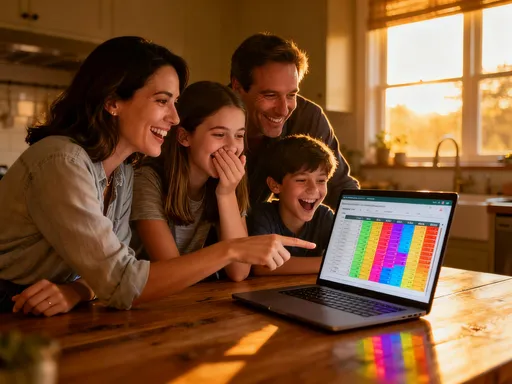
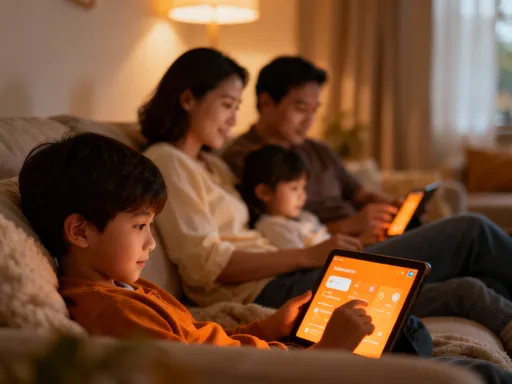
Something shifted in our household dynamic. The kids started using it without being asked. My youngest even said, “It’s like magic!” One evening, I walked into the kitchen to find my teenager had taken the sealed bag to the curb—without being reminded. When I thanked her, she shrugged and said, “It’s easy now. It doesn’t stink or anything.” That moment hit me. We weren’t avoiding the chore anymore. We were just doing it—naturally, without resistance.
Technology didn’t remove responsibility. It removed the friction. And in doing so, it made cooperation feel effortless. We weren’t fighting over who did what. We were just living in a home that made things easier for all of us. That’s the kind of peace money can’t buy—but a $200 bin somehow helped deliver.
Knowledge in Action: Learning What My Household Really Throws Away
One feature I didn’t expect to care about was the waste tracking. Some smart bins can estimate how full they are over time and even categorize disposal patterns if paired with an optional app. At first, I ignored it. I didn’t need another app on my phone. But after a few weeks, I glanced at the monthly report—just out of curiosity.
What I saw surprised me. We were going through plastic bags at an alarming rate. Not just trash bags—produce bags, snack bags, packaging from pre-cut fruits and veggies. I had no idea how much single-use plastic we were using until it was laid out in a simple chart. It wasn’t judgmental. It wasn’t shaming. It was just data. But that data sparked a conversation at our dinner table.
We started making small changes. I bought reusable mesh bags for groceries. We switched to a larger compost bin for food scraps. I began shopping in the bulk section more often, filling jars instead of buying pre-packaged items. I even found a local store that lets you return clean containers for refills. None of these changes were drastic, but together, they reduced our plastic waste by nearly half in two months.
The smart bin didn’t tell us what to do. It simply showed us what we were already doing. And sometimes, that’s enough. Awareness is the first step toward change. I didn’t feel guilty looking at the data—I felt empowered. We weren’t perfect, but we were learning. And the bin, in its quiet way, was helping us become more mindful without adding pressure.
Beyond Convenience: Finding Calm in Predictable, Thoughtful Design
What I didn’t expect was how emotional this whole thing would feel. I thought I was buying a convenient trash can. I didn’t realize I was buying peace of mind. Now, when I walk into the kitchen late at night for a glass of water, I don’t worry about what’s lurking in the bin. There’s no smell. No overflow. No surprise messes. Just a clean, closed unit doing its job.
The design details matter. The soft-close lid. The gentle glow of the fullness indicator. The way it fits under my cabinet without sticking out. These aren’t just functional—they’re calming. They signal care, thoughtfulness, attention to detail. In a world that often feels chaotic and overwhelming, my kitchen has become a small sanctuary of order.
I’ve started to notice how much I value predictability. When things work the way they’re supposed to, it frees up energy for what really matters—spending time with my family, pursuing hobbies, just breathing. The smart bin didn’t solve all my problems. But it removed one small source of daily stress, and that made room for more joy, more presence, more calm.
It’s funny—most people don’t think about their trash can. But when you upgrade it, you realize how much it touches your life. It’s not just about disposal. It’s about dignity, hygiene, and the quiet dignity of a well-kept home. And for me, it’s become a symbol of self-care in the most practical sense: taking care of the things that care for me.
A Smarter Home Starts Small: Why Tiny Upgrades Can Transform Your Life
I used to think a “smart home” meant a house full of gadgets—cameras, lights, thermostats, voice assistants all talking to each other. I imagined complexity, high costs, and a steep learning curve. I didn’t think it was for someone like me—a busy mom who just wanted to get through the day without losing her keys or forgetting the trash.
But my experience with the smart bin taught me something different. A smarter home isn’t about how many devices you have. It’s about solving real problems in real life. It’s about removing friction, saving time, and reducing stress—one small upgrade at a time. You don’t need to start with a full system. You just need to start.
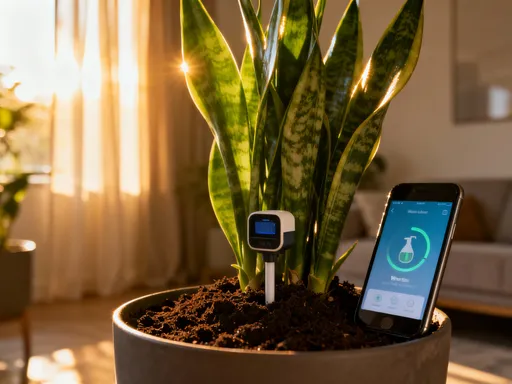
That first win—the bin that seals itself, the light that reminds you, the kitchen that stays fresh—creates momentum. It builds confidence. It makes you wonder: What else could be easier? Maybe it’s a smart speaker that reads the news while you cook. Maybe it’s a robot vacuum that runs while you’re at work. Maybe it’s a simple sensor that tells you when your plants need water. The point isn’t to automate everything. It’s to make space for what you love.
Looking back, the smart bin didn’t change my life overnight. But it changed each day. It made mornings less rushed. It made evenings more peaceful. It gave me back time I didn’t know I was losing. And over time, those small gains added up to something bigger: a sense of control, clarity, and calm.
So if you’re standing in your kitchen, staring at an overflowing bin, wondering if it’s worth upgrading—let me tell you: it is. Not because you need the latest gadget, but because you deserve a home that supports you. You deserve to feel calm in your own space. And sometimes, the quietest technology—the one that works without fanfare, that asks for nothing and gives so much—makes the loudest difference. It’s not just about trash. It’s about reclaiming your time, your energy, and your peace—one small step at a time.