From Fragile Memories to Unshakable Keepsakes: How Backup Habits Transformed My Digital Life
We’ve all been there—fumbling with a cracked phone screen, heart pounding as we lose hundreds of photos, messages, and moments that felt irreplaceable. I used to treat my phone like a disposable diary, never thinking about what would happen if it vanished. Then one day, it did. That loss changed me. Now, I don’t just save my data—I protect my memories, my family’s smiles, my personal history. This is how a simple habit quietly became one of the most meaningful acts of self-care in my digital life. It wasn’t about technology. It was about love, connection, and the quiet courage it takes to care for the things that matter—even when no one’s watching.
The Day Everything Vanished
It started with a thud. My phone slipped from my hand while I was unloading groceries, tumbling onto the kitchen tile. The screen spiderwebbed instantly. I remember laughing at first—just another clumsy mom moment. But when I plugged it in that night and nothing happened, my stomach dropped. The phone wouldn’t turn on. I tried charging it for hours. I took it to the repair shop. Nothing. And with it, gone were over two years of photos: my daughter’s first day of kindergarten, my mother’s 70th birthday party, videos of my son’s wobbly first bike ride. Voice messages from my sister when she lived overseas. Notes I’d saved from my journaling habit. Even the silly selfie I took with my dog on a random Tuesday morning. All gone.
I sat on the edge of my bed that night, scrolling through the few photos I’d shared on social media, feeling a grief I hadn’t expected. These weren’t just images. They were proof that those moments had happened. They were my emotional receipts. I called every friend and family member who might have screenshots or shared files. I scoured old emails. But so much was lost—irretrievably. That week, I cried more than I wanted to admit. Not because I lost a phone, but because I lost pieces of my story. And the worst part? I knew it was preventable. I’d heard about backups. I’d even clicked on the settings menu once or twice. But I always told myself, “I’ll do it later.” Later never came. That moment—sitting in the quiet of my bedroom, feeling the weight of what I’d taken for granted—was the wake-up call I didn’t know I needed.
Why We Ignore What Matters Most
Here’s the truth: we don’t back up our data not because we don’t care, but because we care too much—and it scares us. Digital memories feel fragile, and admitting that means admitting they could disappear. So instead, we avoid it. We tell ourselves our phones are safe. We believe the myth that “it won’t happen to me.” We think, “I’ll do it when I have time,” or “I’ll figure it out later.” But later is a dangerous word when it comes to something as precious as our memories.
Think about it like this: we lock our front doors every night without thinking. We back up important work documents. We insure our homes and cars. But when it comes to the photos of our children growing up, the last video of our parents laughing at the dinner table, we treat them like they’ll always be there—right in our pockets. The reality is, phones break. Batteries die. Devices get lost or stolen. And without a backup, those moments vanish like smoke.
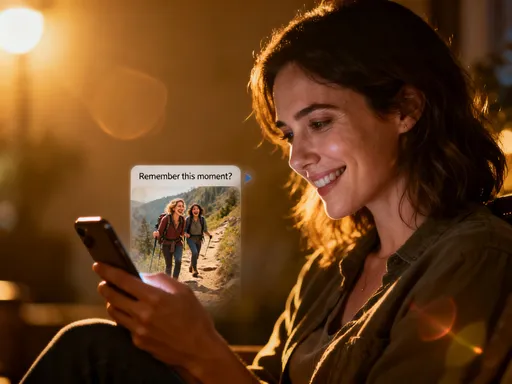
What makes this even harder is that digital memories don’t feel “real” in the way printed photos do. We can’t hold them. We can’t flip through an album. So we undervalue them—until they’re gone. But these files? They’re not just data. They’re love letters from the past. They’re evidence of birthdays celebrated, milestones reached, quiet mornings with coffee and kids still in pajamas. They’re the soundtrack of our lives—voice notes, laughter, songs we played on repeat during hard times. When we neglect to back them up, we’re not just risking files. We’re risking connection. We’re risking the ability to say, “Remember when?” with a smile instead of a sigh.
The Small Shift That Changed Everything
The turning point came on a rainy Tuesday. I was at my sister’s house, and she was showing her kids a video of their cousin’s birthday party—something I hadn’t even known was recorded. “Oh, I just have everything backed up to the cloud,” she said casually. I stared at her, stunned. “You mean… you can just get it back if your phone breaks?” She nodded. “It happens automatically. I set it up months ago.”
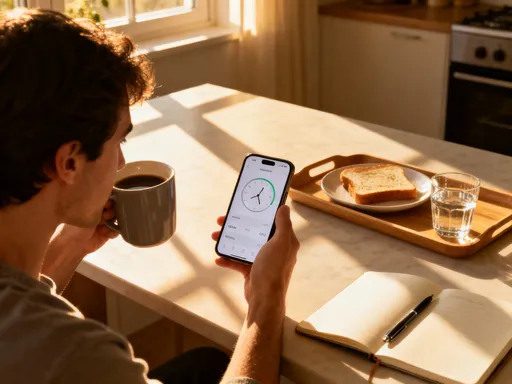
That night, I sat at my kitchen table with a cup of tea and my new phone. I opened the settings and searched for “backup.” Within five minutes, I had turned on automatic cloud backup. I chose a service I already used for email and calendar—something familiar, something I trusted. I connected it to Wi-Fi, enabled photo sync, and let it run. No cables. No complicated steps. No tech degree required. Just a single decision to stop waiting.
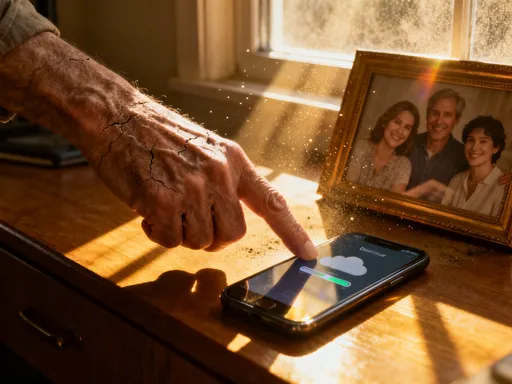
And then, something shifted. Every time I took a photo of my daughter drawing at the table or my son blowing out birthday candles, I noticed a tiny icon in the corner—uploading. I didn’t have to do anything. The system was working for me. That small, silent process brought me more peace than I expected. It wasn’t just about saving files. It was about reclaiming control. For the first time in years, I didn’t feel like I was one drop away from losing everything. The habit wasn’t perfect at first—I forgot to check it, I worried about storage space—but consistency mattered more than perfection. I learned that doing a little regularly beats doing one big thing and never repeating it. And slowly, my anxiety about my phone lessened. I stopped checking it obsessively. I started trusting the system—and myself.
How It Quietly Strengthened My Family Life
One of the most beautiful surprises was how this simple habit deepened my relationships. A few weeks after setting up backups, I got a call from my mom. “I saw the video of Lily’s dance recital,” she said, her voice warm. “You sent it so fast.” I hadn’t sent it. But because my photos and videos were synced to the cloud, I could instantly share a link—no waiting, no failed uploads. She watched it that same evening, from 300 miles away, and texted me with heart emojis and tears in her eyes.
That became a pattern. When my nephew was born, I uploaded photos within minutes. My brother and his wife were able to show them to friends and family right away. When we went on a family beach trip, I created a shared album—everyone could add their photos, and grandparents could follow along in real time. No more “I’ll send it later” promises that got lost in the shuffle. No more “I don’t know how to transfer these.” Just seamless, joyful sharing.
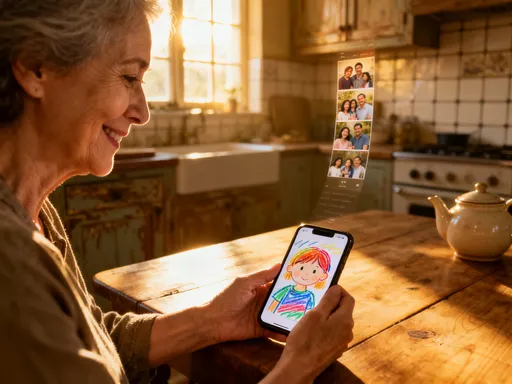
And it wasn’t just about convenience. It was about inclusion. My aging parents, who once felt left out of the digital world, now feel connected. They don’t need to understand cloud storage or file formats. They just open a link and see their grandchildren laughing on the playground. They hear my son’s voice in a video message. That’s priceless. Technology, when used with intention, stops being a distraction. It becomes a bridge—carrying love, memory, and presence across distances. It reminds us that even when we’re apart, we’re still part of the same story.
Learning to Trust Myself Again
The most unexpected benefit wasn’t about the photos or the sharing. It was about me. I used to be the kind of person who lived in a state of low-grade digital panic. Was my phone charged? Did I save that note? What if I lost everything? I checked my battery life obsessively. I hesitated to delete old files because I was afraid I’d need them. My phone felt like a ticking time bomb.
But once I started backing up regularly, something changed. I felt calmer. More in control. I realized I wasn’t just protecting my data—I was practicing self-respect. I was saying, “What I’ve lived through matters. What I’ve created has value.” That mindset spilled over into other areas of my life. I started organizing my digital files—creating folders for school events, holidays, and family milestones. I became more intentional about what I photographed. Instead of snapping ten blurry shots of the same moment, I paused, framed the shot, and cherished it. I even started journaling again, knowing my thoughts would be safe.
And when my son asked me last month, “Mom, why don’t you stress about your phone anymore?” I realized how far I’d come. I told him, “Because I know it’s okay if something happens to it. We’ve saved the important parts.” That confidence—it’s not about technology. It’s about trust. Trust in a system, yes, but more importantly, trust in myself. I’ve learned that being prepared isn’t about fear. It’s about love. It’s about showing up for your past, your present, and your future with care.
Making It Effortless: My Simple Routine
I’ll be honest: I’m not a tech expert. I don’t understand all the jargon. I don’t want to spend hours learning complicated systems. What I wanted—and what I found—was simplicity. And that’s exactly what modern backup tools offer, if you know how to use them gently and consistently.
Here’s what works for me: I use one primary cloud service—something I already use for email, so I don’t have to remember another password. I turned on automatic photo and video backup over Wi-Fi, so it happens in the background while I sleep. I set a weekly reminder on my phone: “Check backup status.” It takes less than a minute. I glance at the settings, make sure it’s running, and move on. If I’ve taken a lot of videos or downloaded big files, I’ll manually start the upload so it finishes faster.
I also made it a family habit. With my kids, I say, “Let’s make sure our memories are safe.” We do a quick check together on their tablets once a week. For my parents, I helped them set up automatic backups on their devices and showed them how to view shared albums. I didn’t overwhelm them. I just said, “This way, you’ll always see the kids’ photos, even if your phone breaks.” They loved that.
The key is to start small. Don’t try to back up five years of photos in one night. Pick one thing—your camera roll, your notes, your voice memos—and start there. Use the tools you already have. Let it be imperfect. Miss a week? No guilt. Just begin again. Progress, not perfection. That’s how habits stick. And remember: you don’t need to be a tech genius. You just need to care. And if you’re reading this, you already do.
More Than Data—It’s Your Digital Legacy
When I think about the photos I’ve saved, the videos I’ve preserved, I don’t just see pixels and files. I see a legacy. I see moments that will outlive me. I see my children’s childhoods, frozen in time. I see my parents’ voices, their laughter, their wisdom. These aren’t just for me. They’re for my kids, for their kids, for anyone who will one day say, “Tell me about Grandma.”
Backing up isn’t just a tech task. It’s an act of love. It’s saying, “You mattered. This mattered. We were here.” It’s a quiet way of honoring our lives—the big moments and the small, the planned and the spontaneous. It’s how we keep connection alive, even when time moves on.
I used to think self-care meant face masks and quiet baths. Now I know it also means clicking “backup” before bed. It means protecting the stories that shaped me. It means giving my future self—and my loved ones—the gift of memory. So if you’re still putting it off, I get it. I was there too. But start today. Just one step. Turn on auto-sync. Save one album. Share one memory. Let technology do the heavy lifting, so you can focus on living.
Because your life is happening now. And it’s worth keeping.