From Forgotten Recipes to Shared Tables: How Tech Revived Our Oldest Friendships
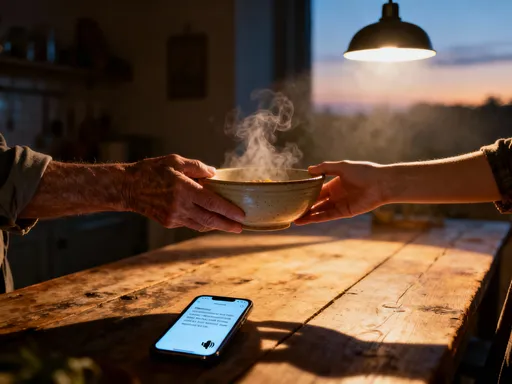
In a world where busy lives pull us in every direction, I lost touch with friends who once knew my favorite childhood dishes by heart. We didn’t drift apart—we just got distracted. Then, something unexpected happened: a simple app for tracking meals became a bridge back to them. It wasn’t about calories or diets—it was about memories, flavors, and the people who made them matter. That lentil soup I made one rainy Tuesday? It didn’t just warm my body. It reconnected me with Maya, the friend who used to sneak spoonfuls from my lunchbox in middle school. Technology, in the quietest way, brought us back to the same table—even if that table now exists in pixels and video calls.
The Empty Kitchen, The Missing Voices
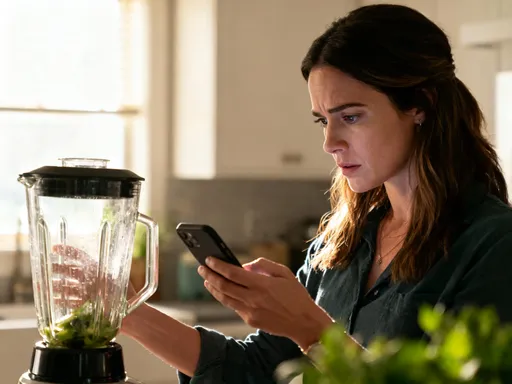
Have you ever stood in your kitchen, chopping onions for a recipe you found online, and suddenly felt… alone? Not just physically, but in a deeper way—like the silence around you wasn’t just the absence of noise, but the absence of laughter, of shared stories, of someone saying, “Wait, you put cinnamon in that?” I’ve been there more times than I can count. My phone buzzes with reminders, grocery lists, and step counts, but no one asks me how dinner turned out. No one remembers that I used to hate carrots until my neighbor Mrs. Lin showed me how to roast them with honey and thyme.
For years, I used meal-tracking apps the way they were designed: to count calories, log protein, and make sure I wasn’t eating too much sugar. But no app ever asked, “Who taught you this recipe?” or “Does this remind you of anyone?” They measured my intake but missed my heart. I followed perfect, sterile meal plans that left me nourished but emotionally empty. The irony wasn’t lost on me—technology was helping me eat “better,” but it was also helping me forget what eating was really about: connection.
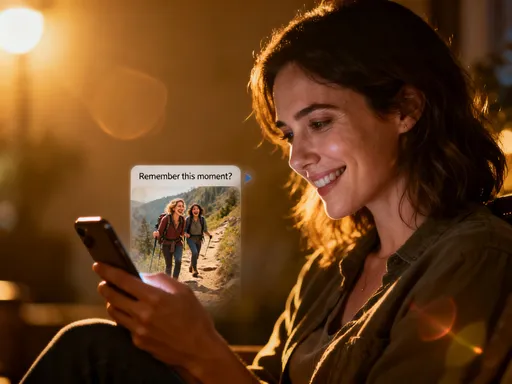
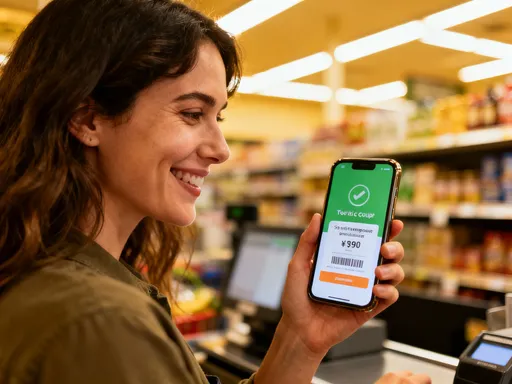
Then one night, I made my mom’s old chicken stew—the one she’d cook every Sunday when I was growing up. I took a photo for the app, just like always. But this time, I added a note: “Mom’s Sunday stew. Smells like home.” I didn’t think much of it. But the next morning, my cousin texted me: “Saw your post. Made me cry. Remember how she’d always burn the bottom and pretend it was ‘extra flavor’?” That was the first crack in the silence. A simple note—typed into a machine—had reached someone I hadn’t spoken to in two years. And it didn’t feel like tech. It felt like a hand reaching across time, saying, “I remember too.”
When Food Logs Became Memory Triggers
That moment made me curious. What if I started using the app differently? Not just to track what I ate, but to remember why I loved it? I began adding little notes to every meal: “Aunt Rosa’s empanadas—crust must be flaky, not tough,” or “Dad’s pancake flip—always high, always dramatic.” I uploaded old photos from my phone—birthday cakes, holiday feasts, even that burnt grilled cheese I made for my daughter’s first sleepover. I started attaching voice notes, too, just rambling: “This is how Grandma layered the spices in her rice. She said the secret was patience, not perfection.”
Suddenly, my food log wasn’t a spreadsheet anymore. It was a living scrapbook. And the app, which had once felt cold and clinical, started feeling like a warm kitchen with the radio on. I wasn’t just logging meals—I was preserving stories. The best part? These weren’t locked away. When I shared an entry with a friend or family member, they could add their own memories. My sister commented on the empanada post: “Remember how Aunt Rosa would hide little notes in the filling for us kids? Mine said ‘You’re brave.’ I still have it.”
Technology didn’t create these memories—but it gave them a home. And that home wasn’t buried in a dusty photo album or a forgotten email thread. It was right there, in an app I used every day, waiting to be rediscovered. The data wasn’t just about nutrition anymore. It was about legacy. It was about love measured in tablespoons and laughter tracked in timestamps. I realized then that we don’t need fancy features to feel close to people. We just need a way to say, “I remember this too,” and have someone hear us.
The First Message in Years—Sent Over a Recipe
Then came the message I never expected. I had posted a photo of a dish I hadn’t made in years—sweet potato fritters with cilantro and cumin. It was something my college roommate, Leila, used to whip up at 2 a.m. during finals week. We’d eat them on the floor of our tiny apartment, laughing about everything and nothing. I hadn’t spoken to her in nearly a decade. Life happened—jobs, moves, babies. But I added the recipe to the app with a note: “Midnight study fuel. Leila’s magic touch.”
Three days later, a comment appeared: “You remembered! I haven’t made these in years. How did you get the cumin ratio right? I always overdid it.” My heart stopped. There she was. After ten years, Leila had found me—not through social media, not through a mutual friend, but through a recipe. I wrote back instantly: “You taught me—two pinches, no more. And always fry them in that chipped blue pan.” Within minutes, we were texting like no time had passed. We talked about our kids, our parents, our fears about getting older. And then she said, “Let’s make them again. Same night. Eat together—well, kind of.”
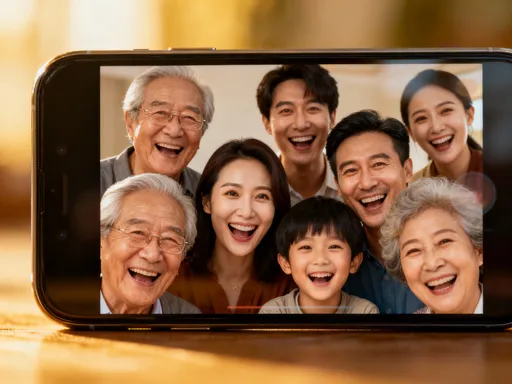
We did. That Friday, we video-called while we both cooked. I watched her stir the batter in her sunny kitchen in Portland; she laughed at my daughter trying to flip a fritter and failing. We ate “together,” clinking mugs of tea over the screen. It wasn’t the same as being in that old apartment. But it was real. And it existed because a simple recipe, tucked into a digital log, carried enough emotional weight to reopen a door I thought was closed forever. Tech didn’t force the reunion—it just held the memory long enough for us to find our way back.
Building a Virtual Dinner Table
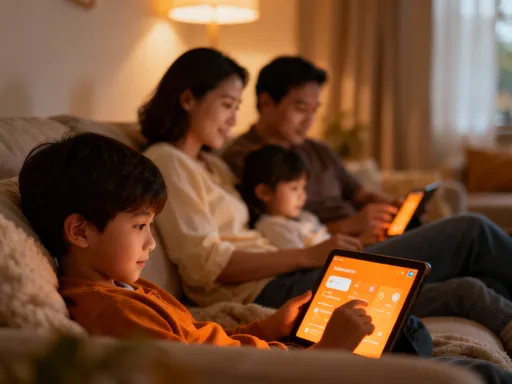
What started with one message turned into a rhythm. Leila and I began cooking the same meals on the same nights. Then we invited others—old friends from college, my sister and her best friend, even my mom and her sister who live in different states. We created a small group in the app, sharing recipes, photos, and voice notes. Every Sunday, we pick one dish to make together. Some nights, three of us are on video, eating the same stew, using the same chipped bowls we’ve had for years. We match our plates just for fun—“I’m using the blue ones!” “Me too!”—and toast with whatever we’re drinking: wine, water, or my daughter’s sparkly apple cider.
The rituals have grown. My mom teaches my niece how to knead dough over video call while we all watch. Leila’s son learned to make her fritters and posted his own version—slightly burnt, but proud. We comment, cheer, and share tips. It’s not about perfection. It’s about presence. And the app makes it possible by keeping everything in one place: the recipe, the history, the laughter. We don’t need to remember every detail—because the app remembers for us. It holds the ingredients, the timing, and, most importantly, the stories.
What’s beautiful is how low-tech the magic feels. We’re not using VR headsets or AI chefs. We’re just using tools that already exist—cameras, microphones, shared screens—to do what humans have always done: eat together, share stories, and say, “This matters.” The technology doesn’t replace the table. It extends it. It says, “Distance doesn’t have to mean disconnection.” And for someone like me, juggling work, kids, and aging parents, that’s not just nice—it’s necessary. It’s how I stay close to the people who shaped me, even when life keeps us apart.
Passing Down Flavors, One Voice Note at a Time
One of the most unexpected gifts of this journey has been watching how our younger generation is starting to use the app—not just to eat well, but to know who they are. My daughter asked me last week, “Can I record Grandma singing her birthday cake song?” Of course, I said. So she did. Now, whenever she bakes, she plays the recording while she mixes the batter. It’s not just a song. It’s a thread connecting her to a woman she loves deeply but doesn’t get to see as often as she’d like.
Other families in our group are doing the same. A friend’s teenage son uploaded a video of his dad making his famous breakfast tacos—the way he’s done every Saturday since the boy was born. “He always says, ‘This is how we start the week right,’” the boy wrote. Another woman recorded her grandmother explaining how to tell when the rice is ready: “You listen. It sings.” These aren’t polished videos. They’re raw, real, full of background noise and interruptions. But they’re priceless. They’re not going viral—and that’s the point. They’re meant for family. For memory. For identity.
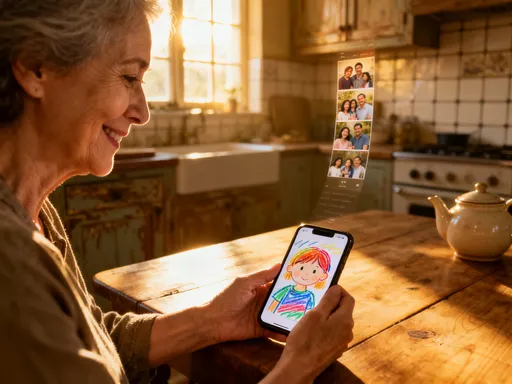
I’ve started thinking of the app as a kind of digital heirloom. We’re not just passing down recipes—we’re passing down voices, gestures, little habits that define us. My niece learned to stir clockwise “because Auntie said it makes the flavor swirl better.” Is that scientifically true? Probably not. But it’s true in the way that matters. It’s tradition. It’s love in motion. And now, it’s preserved—not in fading handwriting on index cards, but in clear audio, sharp photos, and shared entries that can be passed down like a favorite apron or mixing bowl. We’re not just eating together anymore. We’re building a legacy, one bite at a time.
Why This Isn’t Just About Eating
Let’s be honest: we all know that food is more than fuel. But in our busy lives, it’s easy to forget. We eat at our desks, in the car, standing over the sink. Meals become tasks, not moments. And when we lose the ritual of eating together, we lose something deeper: a sense of belonging. Research shows that people who share meals regularly—especially with loved ones—report lower levels of stress, better mental health, and stronger relationships. But what if distance, time, or life stages make that hard?
That’s where thoughtful technology comes in—not to replace real connection, but to support it. What we’ve built with this simple app isn’t a substitute for sitting across from someone. It’s a bridge. It’s a way to say, “I’m thinking of you,” without sending a text. It’s a way to keep traditions alive when families are scattered. It’s a quiet act of emotional resilience—especially during lonely seasons, like after a loss, during a move, or in the exhausting years of raising young kids.
I’ve learned that small digital gestures can carry big emotional weight. A shared recipe. A voice note. A photo of a messy kitchen after dinner. These aren’t just data points. They’re love letters. They’re anchors. They remind us who we are and where we come from. And in a world that often feels too fast, too loud, too disconnected, that kind of grounding is everything. The app doesn’t solve loneliness—but it helps us fight it, one shared meal at a time.
Start Where You Are: A Simple First Step
If this resonates with you—if you’ve ever looked at a recipe and thought of someone you miss—then you’re already ready. You don’t need to digitize your entire life. You don’t need to be tech-savvy. You don’t even need to cook perfectly. Just start with one thing. One dish. One memory.
Pick a recipe that means something to you—your mom’s pancakes, your best friend’s lasagna, that soup you both lived on in college. Make it. Take a photo. And then, in the notes, write one sentence: “This reminds me of…” Maybe it’s “This reminds me of Sunday dinners at Grandma’s,” or “This is what Leila and I ate after our first yoga class.” Then, if you feel ready, share it with that person. Tag them. Send a simple message: “Made this today. Thought of you. Remember how we used to…?”
That’s it. No pressure. No performance. Just connection. And if they respond—even with a heart or a “Yes! I remember!”—you’ve reopened a door. You’ve said, “You matter to me.” And that’s enough. Because in the end, it’s not about the technology. It’s about what it helps us do: remember, reach out, and come back to the table—together. So go ahead. Cook that dish. Share that memory. Press send. You never know whose heart you might warm with just one bite.