Tired of your phone slowing down at the worst times? This simple fix changed everything
We’ve all been there—fumbling through a crowded subway, trying to show a friend a photo, only for your phone to freeze… again. It’s not just annoying; it chips away at your confidence and steals moments you can’t get back. I used to dread that spinning wheel, until I realized the problem wasn’t my phone—it was how I was using it. This isn’t about technical tweaks or confusing settings. It’s about reclaiming your daily peace, one smooth swipe at a time. And honestly? Once I made a few small changes, my phone started working like it did the day I bought it. More importantly, I felt calmer, more in control, and less frustrated by the little things.
The Moment It Hit Me: When My Phone Betrayed Me in Public
It was a quiet Sunday afternoon, and I was visiting my sister with my two kids. We were sitting on the couch, sipping tea, and I wanted to show her the photos from our recent beach trip—the ones of the girls building sandcastles, the golden sunset, the silly faces we made at dinner. I pulled out my phone, tapped on the gallery, and… nothing. The screen just spun. I tapped again. Still nothing. I could feel my face getting warm. My sister waited patiently, but I could tell she was losing interest. After what felt like forever, the app finally opened—but then it froze again when I tried to scroll.
That moment stung. It wasn’t just about the photos. It was about missing a connection, a shared memory, because my phone decided to act up. I felt embarrassed, helpless, and honestly, a little angry. I started wondering—was my phone too old? Did I need to spend hundreds on a new one? But then I remembered something a friend told me: “Your phone isn’t broken. It’s just overwhelmed.” That idea stuck with me. I began to see my phone not as a magical device that should work perfectly forever, but as something that needs care—like a car, or even a kitchen appliance. And just like you wouldn’t expect your blender to work well if it’s full of old food gunk, your phone can’t run smoothly if it’s bogged down by digital clutter.
What made it worse was that this wasn’t the first time. It happened when I was trying to check directions while running late to pick up my son from soccer. It happened when I was showing my mom a video of my youngest’s first piano recital. These weren’t just tech fails—they were emotional letdowns. And I realized I wasn’t alone. So many women I talk to—mothers, busy professionals, caregivers—say the same thing: “My phone drives me crazy.” It’s not just about speed. It’s about trust. We rely on these devices for everything—our calendars, our photos, our communication—and when they fail us, it shakes our sense of control.
What “Clean” Really Means for Your Phone
When I first heard about “cleaning” your phone, I thought it meant deleting old photos or uninstalling apps I don’t use. And yes, those help. But the real issue is sneakier than that. It’s the invisible stuff—the cached data, the background processes, the app fragments that stick around even after you’ve moved on. Think of it like your kitchen junk drawer. You don’t just throw things in there once. Over time, paper clips, old receipts, rubber bands, and broken pens pile up because you keep adding to it without realizing. One day, you open it, and it’s a mess. That’s what happens inside your phone.
Every time you use an app—whether it’s social media, email, or even your weather app—it stores little bits of data to help it load faster next time. That’s called caching. It’s helpful in small doses, but over months, that cache builds up and starts taking up space. And some apps keep running in the background, checking for updates, syncing data, or refreshing content—even when you’re not using them. They’re like guests who won’t leave your house. They’re not doing anything useful, but they’re still using your electricity and taking up space on the couch.
The good news? You don’t need to become a tech expert to fix this. Cleaning your phone isn’t about deleting everything or starting over. It’s about understanding what’s really slowing it down and making small, smart choices. It’s not a one-time deep clean; it’s about building habits that keep things running smoothly. And once you do, you’ll notice the difference—not just in speed, but in how you feel when you use your phone. No more anxiety before opening an app. No more tapping and waiting. Just… flow.
The One Setting Everyone Ignores (But Shouldn’t)
Let me tell you about the setting I didn’t even know existed until last year: Background App Refresh. I know, it sounds like something only a programmer would care about. But this one feature was secretly draining my battery and slowing down my phone—without me realizing it. Here’s how it works: even when you’re not using an app, this setting lets it keep running in the background, checking for new content. So your news app is constantly loading headlines, your social media apps are refreshing your feed, and your email is checking for messages—all while you’re doing something else, or even when your phone is locked.
I didn’t understand how much this was affecting me until I saw my battery usage report. Nearly 30% of my battery drain came from apps I wasn’t even using. That’s like leaving your oven on all day because you *might* cook dinner later. It doesn’t make sense. And not only does it drain your battery, it also uses up your phone’s memory and processing power. That’s why your phone feels sluggish—because it’s juggling too many invisible tasks.
Turning this off was a game-changer. On iPhone, you go to Settings > General > Background App Refresh. You can turn it off completely or choose which apps can use it. I turned it off for everything except my calendar and messaging apps—things I actually need to update in real time. On Android, it’s under Settings > Apps & Notifications > Advanced > Background Process Limit. You can restrict background activity for individual apps. I did this one Sunday morning while my kids were watching cartoons, and it took less than five minutes.
Now, when I open an app, it loads fresh content—but only when I open it. No more wasted energy. And the best part? My phone feels faster, and my battery lasts longer. I remember telling my sister, “I didn’t know this was running until I saw my battery drain overnight.” She laughed and said, “I thought my phone was just old!” Nope. It was just working too hard. And once you stop it from overworking, it runs like new.
Photo Libraries: The Hidden Space Hogs
If I had to guess, I’d say photos and videos take up more space on your phone than anything else. And that’s not a bad thing—we want to keep those memories. But over time, our photo libraries become bloated with screenshots, duplicate images, old memes, and blurry videos we never meant to keep. I did a little experiment last month: I checked how much space my photo app was using. It was over 15 gigabytes. That’s like carrying around 3,000 printed photos in your pocket. And half of them? Screenshots of text messages, receipts, and random web pages I didn’t need anymore.
The problem isn’t the photos themselves—it’s the lack of organization. We take pictures, send them, forget about them, and never go back. Meanwhile, our phones struggle to load galleries and apps because they’re managing thousands of files. I started by going into my photo app and using the “Recently Deleted” folder. I found 200 photos I had deleted but not permanently erased. Clearing that freed up space instantly. Then, I used the search feature to look for “screenshots.” Up came over 150 images I didn’t need. I deleted most of them—keeping only the important ones, like confirmation emails or directions I might need later.
Another big space-saver? Offloading videos. I had dozens of short clips—my daughter laughing, the dog chasing a ball—but many were low quality or duplicates. Instead of deleting them, I backed them up to a cloud service. Both iPhone and Android have built-in options to back up your photos automatically. I turned on iCloud Photos and let it upload everything. Once it was done, I went into Settings and chose “Optimize iPhone Storage.” Now, full-resolution photos are stored in the cloud, and my phone keeps smaller versions. It’s like having a digital attic—your memories are safe, but they’re not weighing down your everyday life.
The emotional relief was real. I wasn’t just freeing up space—I was decluttering my digital life. I could scroll through my gallery without it freezing. I could find the photos I wanted quickly. And I didn’t have that nagging guilt of knowing my phone was full of junk I should clean up but never did.
Notifications That Quietly Stress You Out
Have you ever noticed how you feel a little on edge after checking your phone? Not because of anything bad—just a general sense of tension? I started paying attention to that feeling, and I realized it wasn’t the content of my messages or emails. It was the constant pinging. The dings, the buzzes, the red dots. My phone was always demanding my attention. And over time, that constant alertness started to wear me down.
Research shows that frequent notifications increase low-grade stress and make it harder to focus. It’s like being in a room where someone keeps calling your name. Even if they’re not saying anything urgent, you can’t relax. Your brain stays in “alert mode.” I remember asking my friend, “Why do I feel tense when I just checked my phone?” She laughed and said, “Because it’s yelling at you.” And she was right. My phone wasn’t helping me stay connected—it was making me feel anxious.
So I decided to take control. I went through every app and turned off non-essential notifications. Social media? Silent. Shopping apps? No alerts. News apps? Only for breaking news, and only if it’s something major. I kept notifications for texts, calls, calendar reminders, and family messages—things that actually matter. The difference was immediate. My phone stopped buzzing every few minutes. I could leave it on the table without feeling the need to check it every time it lit up.
And here’s the surprising part: my phone felt faster. Not because I changed any technical settings, but because fewer apps were running in the background, checking for updates and sending alerts. It was a double win—less mental clutter and better performance. I started sleeping better too, because I wasn’t checking my phone right before bed. I even told my kids, “Mom’s phone is quieter now,” and they noticed. One of them said, “You seem less stressed.” That meant more to me than any tech fix ever could.
The Weekly 10-Minute Ritual That Keeps Me Sane
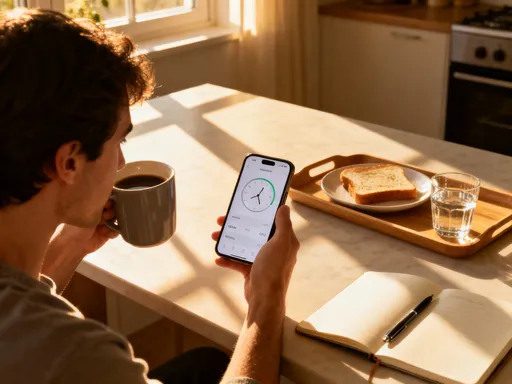
After making these changes, I didn’t want to fall back into old habits. So I created a simple weekly routine—just 10 minutes, every Sunday morning while I drink my coffee. I call it my “phone wellness check.” It’s not a chore. It’s a moment of care, like watering my plants or folding the laundry. And it keeps everything running smoothly.
Here’s what I do: First, I check my storage. On iPhone, it’s Settings > General > iPhone Storage. On Android, it’s Settings > Storage. I look at what’s using the most space and decide if anything can go. Sometimes it’s a podcast app with old episodes, or a game I haven’t played in months. I delete what I don’t need. Then, I clear the cache for my browser and messaging apps. On Android, you can do this in the app settings. On iPhone, it’s a bit trickier, but closing and reopening apps helps. I also review my downloads folder—so many random files end up there! I delete anything I don’t need.
Next, I back up my photos. Even if I have cloud backup on, I double-check that it’s working. I open my photo app and make sure the upload icon isn’t spinning. If it is, I wait a few minutes or connect to Wi-Fi. Then, I check my notification settings. Did I install a new app this week that’s now pinging me nonstop? I adjust it before it becomes a problem. Finally, I restart my phone. It sounds old-fashioned, but it clears out temporary files and resets any apps that are misbehaving.
This ritual takes less time than baking a cake or organizing a drawer, but the payoff is huge. I don’t wake up to a slow, full phone. I don’t panic when I need to show someone a photo. And I don’t feel guilty about ignoring my digital life. You don’t need to be tech-savvy to do this. You just need to care—just a little, just once a week. And over time, that small act of attention builds up. It’s not about perfection. It’s about consistency. Like brushing your teeth, it just becomes part of your life.
How a Faster Phone Gave Me Back My Calm
The biggest surprise wasn’t that my phone got faster. It was how much calmer I felt. I didn’t realize how much mental energy I was spending on tech frustration—waiting for apps, worrying about storage, dreading the next freeze. Once those little stresses disappeared, I had more space in my mind for the things that matter: my family, my thoughts, my peace.
I can now show my kids’ photos without hesitation. I can navigate a new city without panic. I can send a quick message to a friend without my phone freezing in the middle. And in those moments, I’m not thinking about my phone at all. That’s the real win. When your device works quietly and well, you forget it’s there. And when you forget it’s there, you remember to live.
This journey wasn’t about chasing the latest gadget or becoming a tech expert. It was about respect—respect for my time, my emotions, and my daily experience. Our phones are powerful tools, but they’re meant to serve us, not stress us. And with a few simple, mindful changes, they can do exactly that. You don’t need a new phone. You don’t need to spend hours learning complicated settings. You just need to pay attention—to your device, and to how it makes you feel.
So if you’re tired of your phone slowing down at the worst times, I get it. I’ve been there. But I also know there’s a better way. Start small. Turn off one setting. Delete a few screenshots. Take 10 minutes this week to check in. You might be surprised at how much lighter everything feels—not just your phone, but your mind. Because when your tech works for you, you can finally focus on what really matters: being present, being connected, and being at peace.