What If You’re Wasting Half Your Membership Perks Without Even Knowing?
Have you ever signed up for a loyalty program, paid the fee, and then realized you’re barely using any of the benefits? You’re not alone. Millions of people overlook simple ways to maximize their memberships—from warehouse clubs to streaming services. But what if a few smart tweaks could turn those underused perks into real savings, better experiences, and less daily stress? Let’s explore how everyday tech can help you finally get what you’re already paying for.
The Hidden Cost of Ignored Perks
Let’s be honest—how many times have you paid for something just because it “feels” like the right thing to do, only to realize months later that you’ve barely touched it? Maybe you joined a warehouse club because everyone said it would save money, but now your cart only ever holds toilet paper, rice, and frozen chicken nuggets for the kids. Or perhaps you signed up for a premium grocery rewards program, excited about fuel discounts and bonus points, but now you forget to scan your app at checkout more often than not. It happens to the best of us. And while each of these memberships might seem small on its own, together they add up—both in dollars and in mental clutter.
I remember talking to my friend Lisa last winter. She’s a mom of two, works part-time, and tries her best to keep the household running smoothly. She told me she’d been paying $60 a year for her warehouse membership for three years—and in that time, she’d used the pharmacy discount once, never attended a single member-only sale, and had no idea they offered free tire rotations. “I feel kind of guilty,” she admitted. “Like I’m wasting money we could be using for a family outing or even just groceries.” That quiet guilt? It’s more common than you think. It’s not just about the cash—it’s about the missed opportunities, the little things that could’ve made life easier but slipped through the cracks.
And it’s not only warehouse clubs. Think about your fitness membership. How many times have you gone in the past three months? Or your streaming service—do you actually watch the shows you’re paying for, or are you just letting auto-renewals drain your account while you rewatch the same old favorites? The emotional toll of feeling like you’re not getting your money’s worth can quietly chip away at your sense of control. You start to wonder: Am I managing my life, or is it managing me? But here’s the good news—this isn’t about doing more. It’s about using what you already have, more intentionally. And with a few smart tools, you can stop feeling like you’re falling short and start feeling like you’re finally in charge.
How Technology Simplifies Benefit Tracking
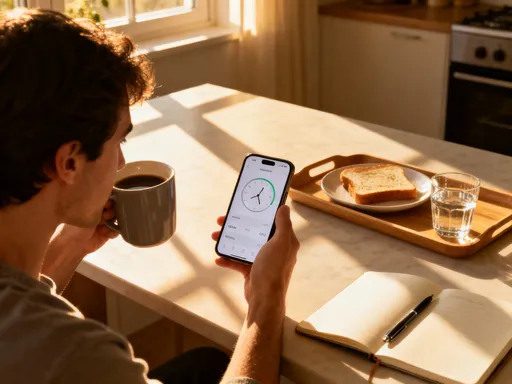
Now, I know what you might be thinking: “Great, another thing to manage. Another app to log into, another notification to ignore.” But what if the solution wasn’t more work, but less? That’s where everyday technology comes in—not as a complicated system, but as a gentle helper that keeps your benefits front of mind without demanding your attention. Think of it like having a thoughtful friend who quietly reminds you, “Hey, your rewards points expire in two weeks,” or “Your gym’s free yoga class starts in an hour.” That’s the kind of support we all wish we had, and it’s already built into the tools you probably use every day.
Take calendar apps, for example. Most of us check our calendars daily—whether it’s to schedule a dentist appointment or remember soccer practice. What if you used that same space to track your membership benefits? You can set up simple reminders: “Check warehouse club fuel points,” “Renew prescription with member discount,” or “Book your free annual wellness screening.” These aren’t big tasks—they’re just small nudges that keep your perks from slipping away. And the best part? Once you set them up, they run on their own. No mental energy required.
Then there are personalized dashboards—like the ones offered by some bank or budgeting apps—that can pull in your membership details and show you what’s active, what’s expiring, and what you’ve used. Some even send you monthly summaries: “You saved $47 this month with your grocery rewards,” or “You haven’t visited your gym in 30 days.” These insights don’t shame you—they empower you. They turn invisible benefits into visible wins. And for someone like me, who loves a little progress tracking, seeing that “$47 saved” feels like a small victory. It’s not about being perfect; it’s about being aware.
Even simple text message alerts can make a difference. Many loyalty programs now offer opt-in notifications for member-only sales, bonus point events, or expiring rewards. You don’t have to dig through emails or remember to log in. The information comes to you, at the right time. It’s like your memberships are finally speaking your language—clear, timely, and helpful. And when you start seeing those alerts as useful rather than annoying, everything changes. You stop feeling overwhelmed and start feeling supported.
Solving the “I Forgot” Problem with Smart Habits
We’ve all been there: standing at the checkout counter, realizing too late that we forgot to bring our membership card or scan the app. Or getting home from the gym, only to remember they had a free smoothie day—and you missed it. These moments aren’t about laziness or forgetfulness. They’re about habit gaps. Our brains are wired to follow routines, and if checking your rewards isn’t part of your routine, it’s easy to miss. But the solution isn’t to try harder—it’s to design your habits so that using your perks becomes automatic.
Here’s a trick that changed everything for me: I started linking membership actions to things I already do every day. For example, every time I open my notes app to make a grocery list, I also open my warehouse club app to check for member-only deals. It takes less than a minute, but it’s made a huge difference. I’ve discovered discounts on things I was already buying—like laundry detergent and snack packs—and even found free samples I didn’t know about. It’s not about adding a new task; it’s about piggybacking on an existing one.
My friend Sarah, a nurse with a packed schedule, used to forget her employee discount at the pharmacy. Then she started setting a reminder on her phone that pops up the second she leaves work: “Check pharmacy discount.” She even saved it with a little heart emoji so it feels friendly, not stressful. “It’s silly,” she laughed, “but it works. I’ve saved over $120 in six months just by remembering.” That’s the power of a smart cue. It’s not about willpower—it’s about making the right choice the easy choice.
Another idea? Use voice assistants. If you say, “Hey Siri, add milk to my grocery list,” why not also ask, “Remind me to check my rewards points before I leave the store”? Or set a weekly routine: “Every Sunday night, check upcoming member benefits for the week.” These small moments of intention create big results over time. And the more you do it, the more natural it feels. You stop thinking, “I should use my perks,” and start thinking, “Of course I’m using them—they’re part of how I live now.”
Making Family Members Part of the System
Let’s face it—memberships aren’t just for one person. They’re for the whole household. But that also means coordination is key. How many times has your spouse used a delivery service without applying the family discount? Or your teenager missed out on a student perk because no one told them? These aren’t small mistakes—they’re missed savings, and they can add up fast. The good news? Technology makes it easier than ever to keep everyone on the same page, without nagging or confusion.
One simple tool that’s been a game-changer for my family is a shared digital note. We have one called “Family Perks & Discounts” in our cloud notes app, and we all have access. It lists every active membership, the benefits, and any codes or tips. When my daughter started college, we added her student ID number and the link to the tech store discount. When my husband got a new job with a different insurance plan, we updated the pharmacy discount details. Now, anyone can check it from their phone before making a purchase. No more guessing, no more “I didn’t know we had that.”
Another great option is using synced reminder apps. Some family organizers allow you to assign tasks or alerts to specific people. For example, you can set a reminder that says, “Check warehouse club fuel discount” and assign it to whoever’s driving that week. Or create a shared calendar event: “Free kids’ meal day at member restaurant—this Friday!” When everyone gets the notification, it becomes a team effort, not a solo responsibility. And that shift—from “I have to remember” to “we’re all in this together”—makes a huge difference in follow-through.
There’s also an emotional benefit here. When families share in the wins—like saving $30 on a prescription or getting a free birthday treat—it builds a sense of teamwork. It turns money-saving from a chore into a shared victory. And let’s be real: fewer arguments about forgotten discounts mean more peace at home. That’s worth its weight in gold.
Turning Perks Into Personal Growth Opportunities
We often think of memberships as ways to save money or get convenience. But what if they could also help you grow? Many programs offer resources we never even think to use—free online classes, wellness challenges, workshops, or exclusive events. And when you start seeing your memberships as tools for personal development, not just consumption, their value multiplies.
Take retail clubs, for example. Some offer free photography classes, cooking demos, or DIY workshops. I signed up for one on meal prepping last year, not because I needed to save money (though that helped), but because I wanted to eat healthier and reduce stress during busy weeks. That one session gave me new recipes, time-saving tips, and even a sense of accomplishment. It wasn’t just about the food—it was about feeling more capable in my daily life.
Fitness memberships often have similar hidden gems. Beyond the gym floor, many offer guided meditation sessions, nutrition webinars, or step challenges with small rewards. One mom I know joined a 21-day mindfulness challenge through her wellness app and said it helped her feel more present with her kids. “I wasn’t looking for a big transformation,” she said. “But those ten minutes a day made me calmer, more focused.” That’s the kind of benefit that doesn’t show up on a receipt—but shows up in your life.
And let’s not forget about learning platforms. Some streaming services include access to skill-building content—language courses, creative tutorials, or financial literacy programs. If you’re already paying for the subscription, why not use it to learn something new? Even 15 minutes a day can build a new habit. The point isn’t to become an expert overnight. It’s about giving yourself permission to grow, one small perk at a time. And when you do, you start to see your memberships not as expenses, but as investments—in your time, your health, and your confidence.
Avoiding Overload: Using Tech to Prioritize, Not Accumulate
Here’s a truth no one talks about: having too many memberships can be just as stressful as having none. We sign up for things hoping they’ll make life easier, but then we end up juggling passwords, tracking renewals, and feeling guilty for not using them. The result? Choice fatigue. Instead of feeling empowered, we feel overwhelmed. But the solution isn’t to collect more—it’s to focus on what truly matters.
That’s where a simple digital audit can help. Once a quarter, I spend 20 minutes reviewing all my active subscriptions and memberships. I ask myself: Have I used this in the past three months? Does it align with my current goals? Is it worth the cost? I use a basic spreadsheet—just name, cost, last used, and value rating (high, medium, low). It’s not fancy, but it’s honest. And every time I do it, I find at least one thing I can cancel without regret.
Technology makes this easier, too. Some budgeting apps automatically track subscriptions and send alerts when renewals are coming up. They even show you how much you’ve spent over time. Seeing that “$120/year” number next to a service I barely use is often all it takes to hit cancel. And that money? I redirect it to something that truly serves my family—a vacation fund, a home repair, or even just extra groceries.
The goal isn’t to own every perk. It’s to own the ones that own you back—with real value, real use, and real peace of mind. When you let go of the extras, you make space for what matters. And that clarity? That’s a perk in itself.
Building a Smarter, More Effortless Life One Perk at a Time
At the end of the day, this isn’t about chasing every deal or becoming a savings expert. It’s about reclaiming what you’re already paying for—your time, your money, your sense of control. When you use your memberships fully, you’re not just saving dollars. You’re reducing stress, building better habits, and creating small moments of joy in your daily routine. You’re teaching your family the value of smart choices. And you’re proving to yourself that you can manage the chaos of modern life with grace and confidence.
Technology isn’t here to complicate things. It’s here to help you breathe easier. A reminder here, a shared note there, a quick habit tweak—these small steps add up to a life that feels more organized, more intentional, and more rewarding. You don’t have to do everything at once. Start with one membership. Pick one perk you’ve been ignoring. Set one reminder. See how it feels.
Because when you start getting the full value of what you already have, something shifts. You stop feeling like you’re barely keeping up. You start feeling like you’re finally getting ahead. And that? That’s the real perk.